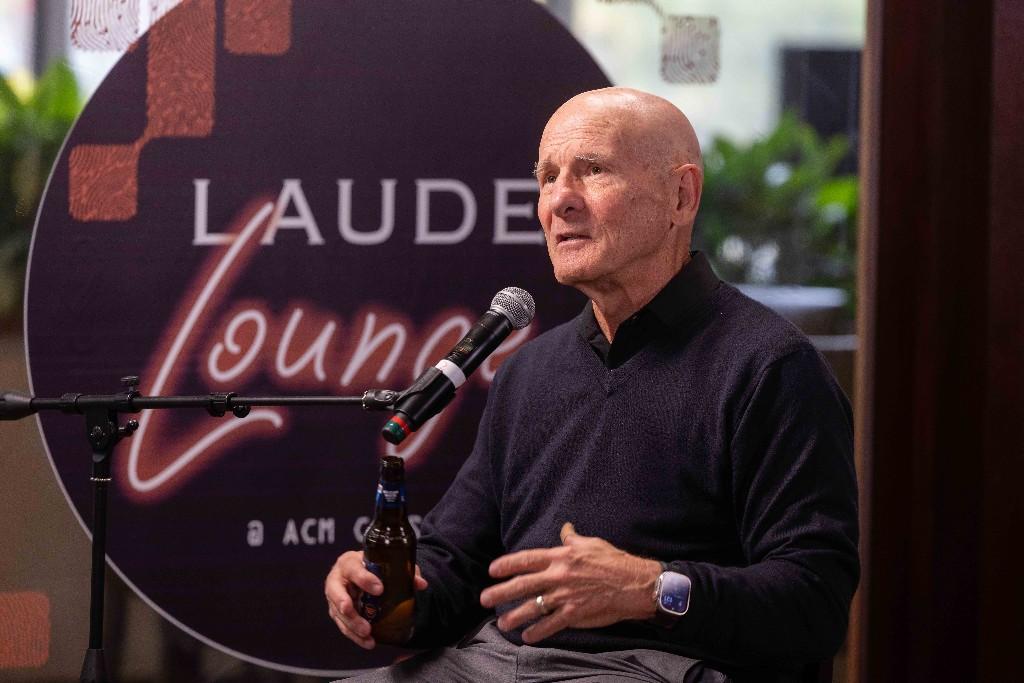
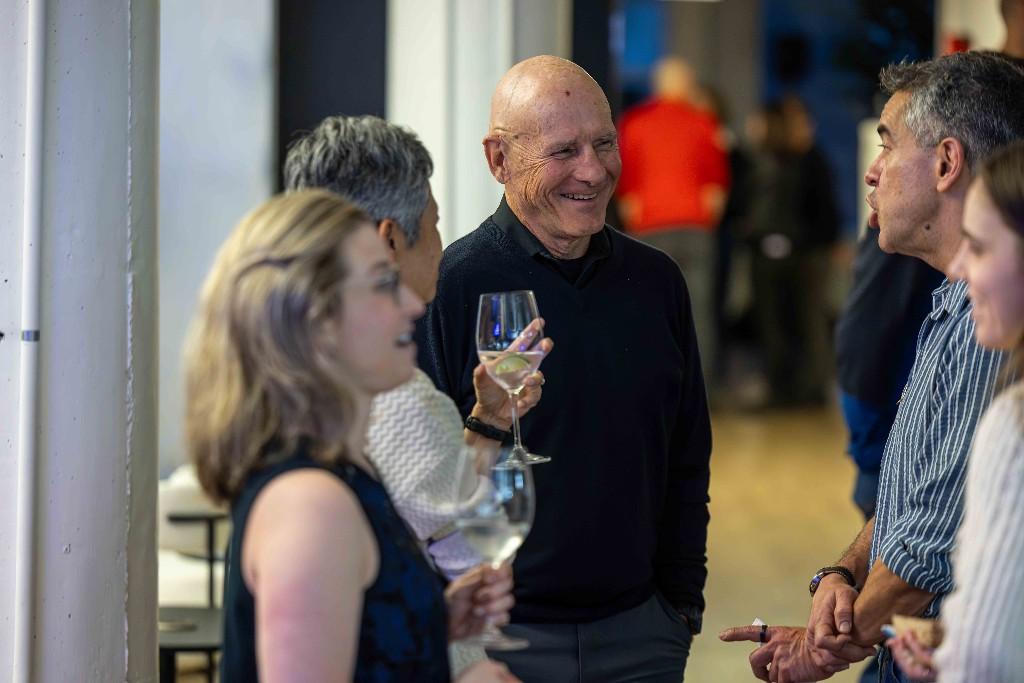
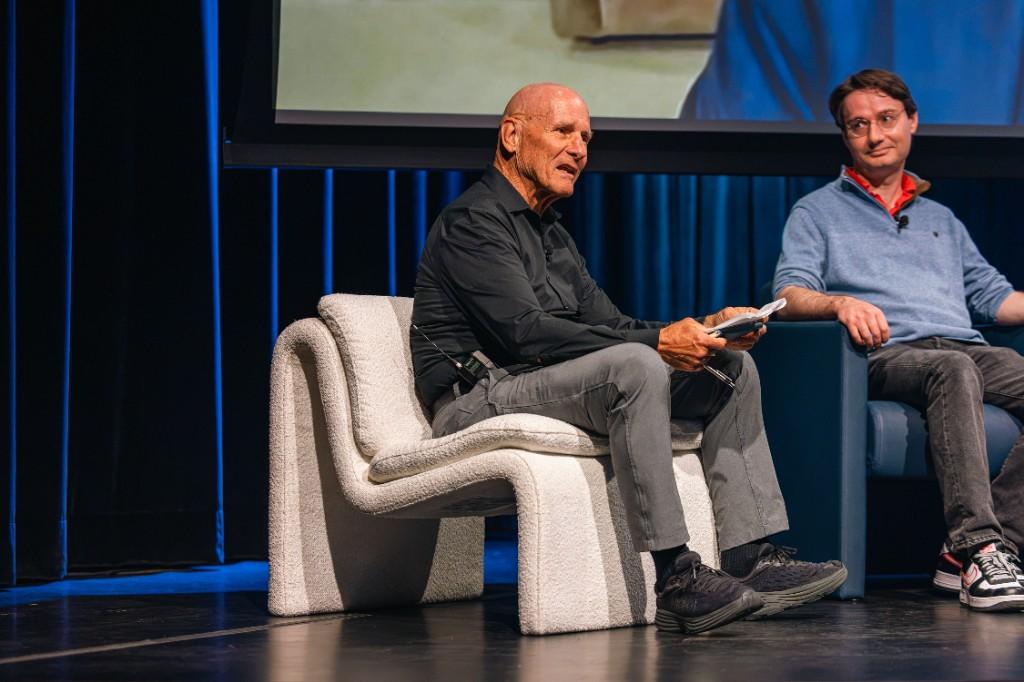
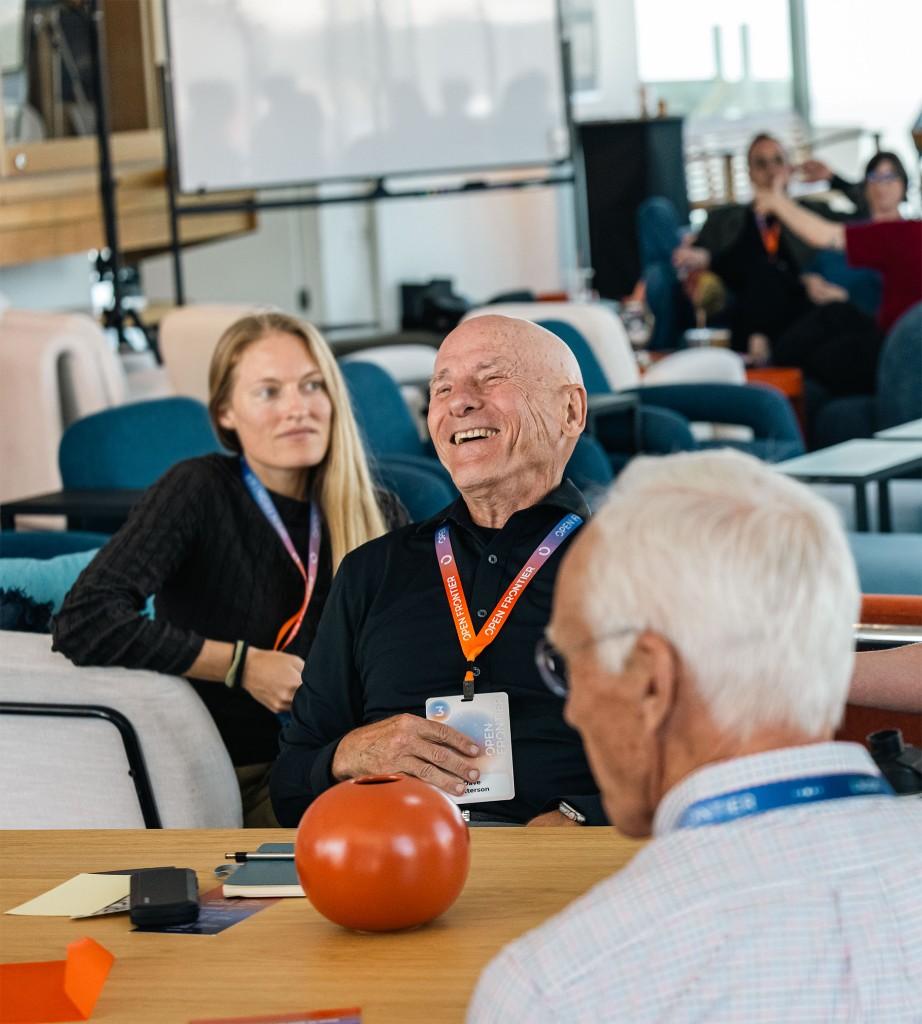
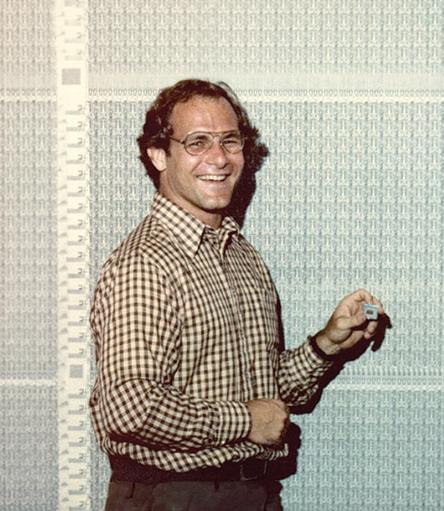
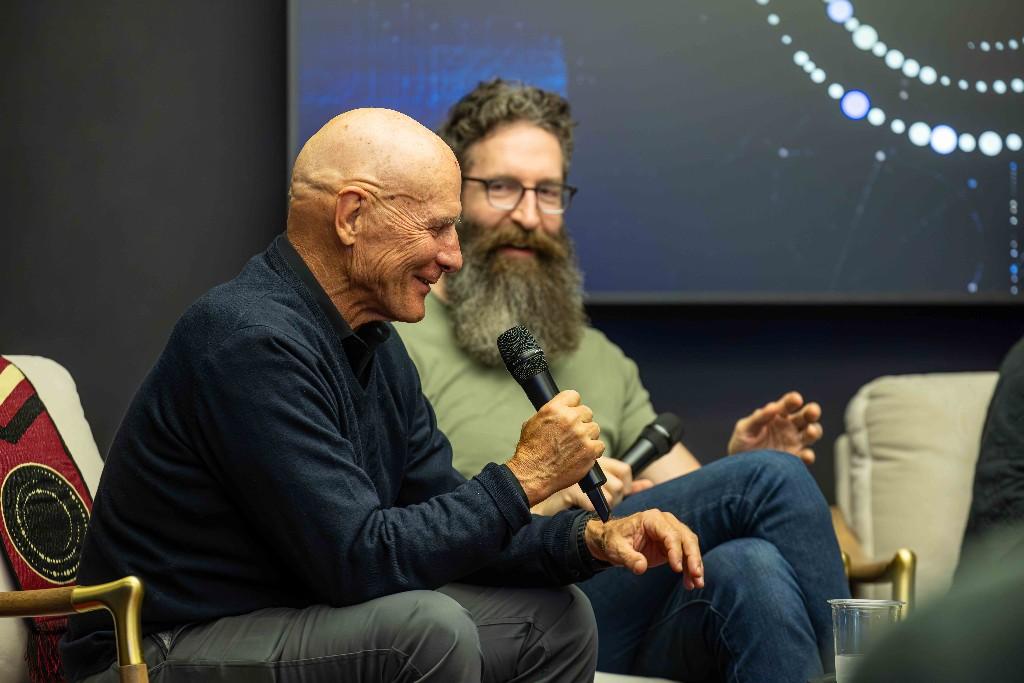
At 79, I just walked away from being a Fellow at Google, a large, generous, well-established corporation with brilliant colleagues working on one of the most exciting chapters in computer science history. I took a pay cut to join Laude Institute — a tiny, recent nonprofit whose longevity depends on philanthropy — as a member of technical staff working with people less than half my age.
What was I thinking???
My explanation is the fifth in my series of “bad advice” pieces of my career — How to Give a Bad Talk (1983), How to Have a Bad Career (1994), How to Build a Bad Center (2013), and How to Give AI a Bad Carbon Footprint (2025) — where I give tongue-in-cheek commandments for how to do something badly and then show how to do it well. This time it’s earning a bad obituary.
Here are the four Bad Obituary Commandments:
- Play it safe. You never know what will happen with the economy, so pick the path with the greatest employment safety.
- Retire and relax, you’ve earned it. Why keep working if you don’t have to?
- Don’t embarrass yourself. Ours is a young person’s field. Working with much younger people may expose your weaknesses and damage your reputation. Bill Belichick is a cautionary tale.
- Choose wealth. The winner in life is the one with the most trailing zeros in the bank account. Elon Musk is the shining exemplar.
Following all four greatly increases your chances of earning a bad obituary!
The legend of Alfred Nobel shows the impact of a bad obituary. When his brother died in 1888, a newspaper mistook the death for Alfred’s and ran an obituary calling the inventor of dynamite a “merchant of death” who got rich helping people kill each other faster. That is, he earned a bad obituary. Shaken by how he would be remembered, the story goes, Nobel rewrote his legacy: his will funded prizes in physics, chemistry, medicine, literature, and peace. He died in 1896, with the first Nobel prizes awarded in 1901. Today, his name is known for those prizes more than for dynamite.
Nobel got his wake-up call by accident. Stephen Covey, in The 7 Habits of Highly Effective People, suggests we get ours on purpose: imagine your own funeral and ask what you would want the people there to say about you. Similarly, David Brooks suggests maximizing “eulogy virtues,” like being kind, brave, honest, faithful, and loving. In short, steer clear of a bad obituary!
Here is my advice on how to avoid one:
- Play it safe? It’s actually hard to know in our fast moving field what is really the safest path in the long run. As Helen Keller put it: “Avoiding danger is no safer in the long run than outright exposure. The fearful are caught as often as the bold.”
- Retire and relax, you’ve earned it? My mother is 99 years old, and studies suggest children of centenarians have lower mortality. Do I really want to spend 20 years as a couch potato?I’m actually more concerned about dementia than longevity. Following a quote often attributed to George Bernard Shaw: “You don’t stop playing because you grow old; you grow old because you stop playing.” I still have fire in the belly, I’m still a good problem solver, I like learning new ideas, and I have wisdom to share. And I’m still playing soccer. Working, learning, and playing are associated with lower odds of dementia, so why stop now?
- Don’t embarrass yourself? An old man trying to act like young people is a cliché, but I don’t believe that warning applies to work. (In case you were worried about a “late life” crisis, I’m still married to my high school sweetheart; next year is our 60th anniversary.) My favorite work activity is helping teams win, and I believe I can help Laude Institute win. I’ve got 50 years of relevant experience; younger colleagues can learn from me while I learn from them.
- Choose wealth? My view is that becoming the richest person in the cemetery is not the right goal. I’m on record that when given the choice, I chose happiness over wealth. When psychologists study happy people, they’ve found that one key characteristic is helping others. Hence, to maximize happiness, I expected that after Berkeley I would join a nonprofit that helps the less fortunate. I searched and found many well-meaning organizations, but either they weren’t making a real dent on their problem or my participation would not actually help them move the needle. Hence, after retiring from Berkeley in 2016, I joined Google instead.
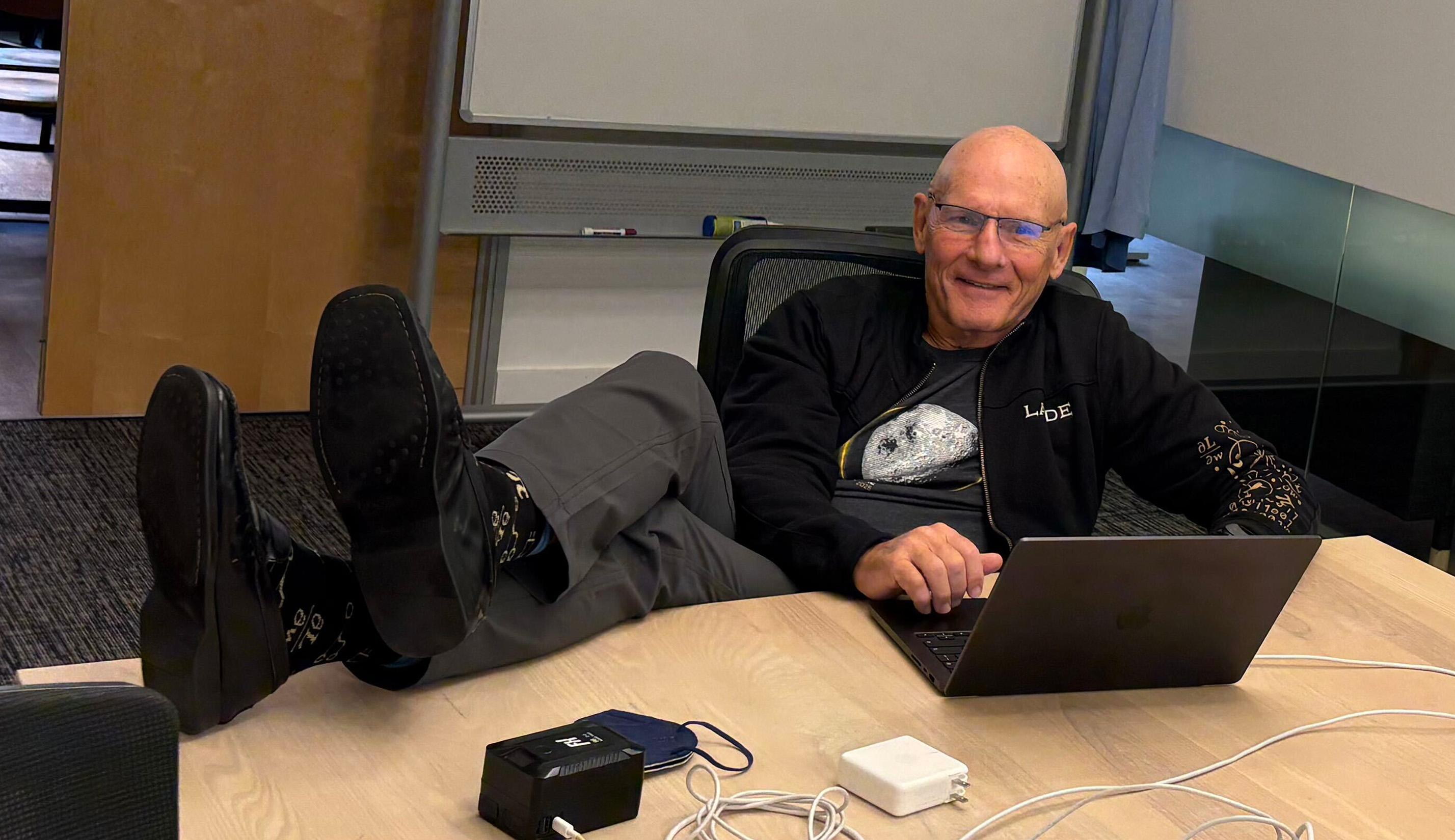
Andy Konwinski, a former student in one of my research labs and cofounder of Databricks and Perplexity, approached me in 2024 about helping academics reduce the downsides and increase the upsides of AI. Our chat led to the vision paper “Shaping AI’s Impact on Billions of Lives,” which evolved into the Moonshots program, a flagship initiative of Laude Institute. Laude Institute was founded to help computer scientists do high-impact open science research, with me as the founding chair of the board. I call it a public good startup: a small, scrappy, young staff working hard to achieve an ambitious, meaningful goal, with the urgency of a startup and public good as its aim.
Since then I’ve volunteered part time to guide Moonshots // One. This research competition asked today’s most consequential AI researchers a simple question: if you had the resources, how would you use AI to solve humanity’s hardest problems? Laude received 125 proposals from 600+ accomplished academics at nearly 50 great North American institutions aimed at moonshots evaluated by an all-star program committee.
We just announced four projects that each won a $10M lab to tackle our four moonshots: Accelerating Science (University of Chicago), Advancing Healthcare (UC Berkeley and UC San Francisco), Civic Discourse (Cornell), and Workforce Reskilling (Stanford). Besides financial support from Laude Institute, Moonshot // ONE received $17M funding from the NSF Directorate for Technology, Innovation and Partnerships (TIP), plus millions in philanthropic gifts from successful computer science researchers who have also done well financially. Excitingly, early indications are that teams on several Moonshot proposals enjoyed the multidisciplinary, high-impact approach so much that they will try to continue despite not getting a $10M lab. The success of Moonshot // ONE has inspired Laude Institute to plan for more Moonshots, and I plan to lead the charge.
Laude Institute does public good beyond Moonshots. Here are a few more examples:
- Laude Slingshots: Microgrants of $5k-$50k to help open source projects move forward.
- Open Research Residency: Salary and guaranteed compute to encourage promising PhD students to stay in school rather than dropping out to join a wealthy AI lab.
- Laude Cluster: Shared, high-utilization GPU compute for open-science researchers to build and release impactful AI research.
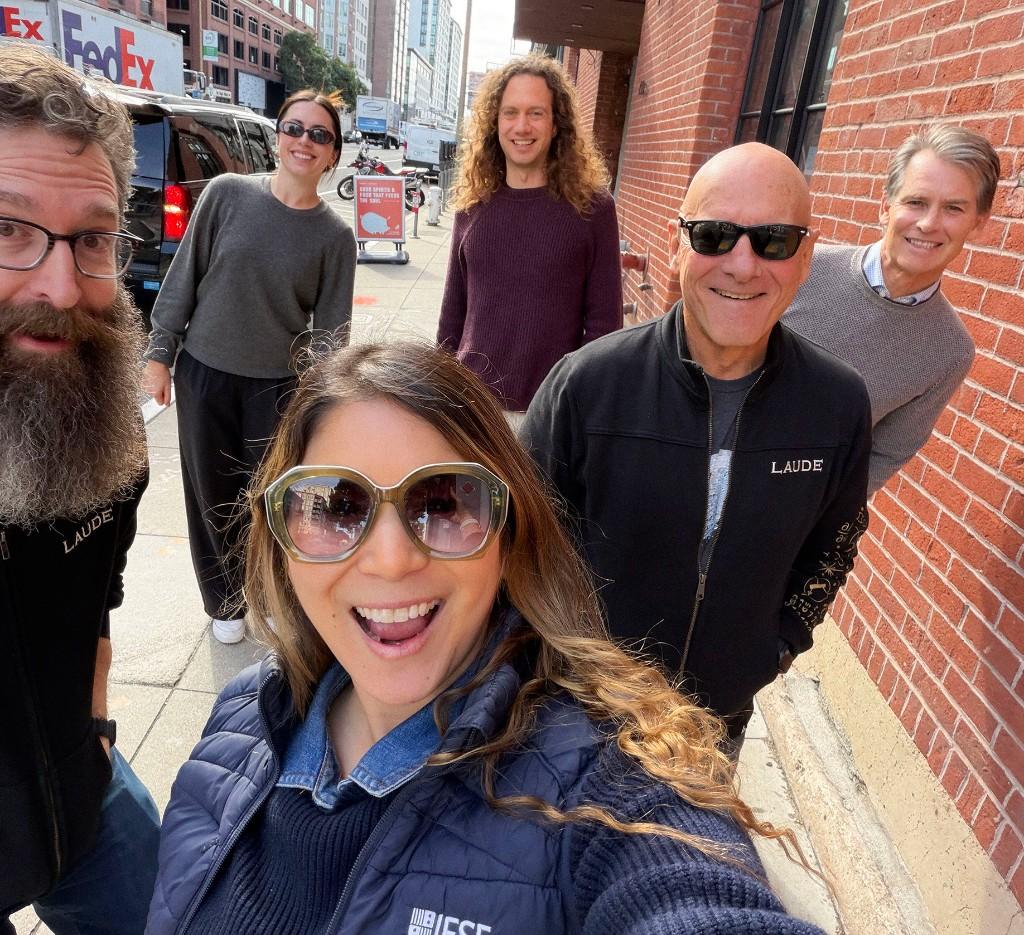
Summing up, I believe I’ve finally found — or perhaps more accurately helped found — a new kind of nonprofit that may already be having an impact on important societal problems and where my participation could really make a difference.
So, the long answer to my initial question about why at 79 I left a cushy job at Google:
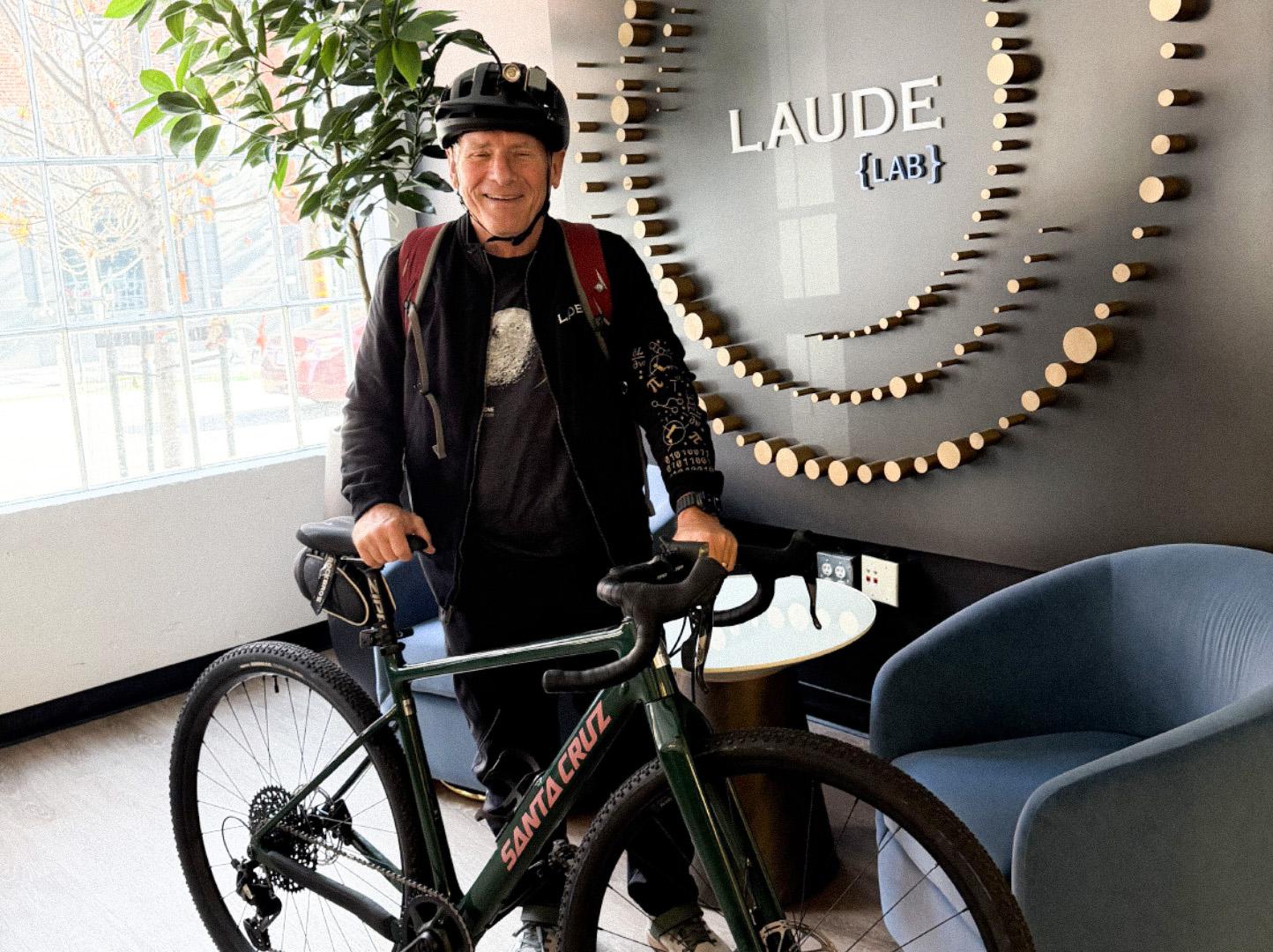
After four decades in academia and one decade in industry, I’m reducing the odds of earning a bad obituary by riding my new gravel bike to catch a San Francisco ferry to take a risk working at a tiny recent public good startup with people half my age trying to move all humanity forward by inspiring academics to do high impact research that shapes AI for the public good.
I am also trying to confound my obit writer with what to put in the first paragraph!